 ModelFold
claude-sonnet-4-6
Claude Sonnet 4.6 delivers strong reasoning, advanced coding capabilities, and native computer-use functionality. With adaptive thinking and a context window of up to 1 million tokens, it supports building reliable AI agents and large-scale automation workflows.
Pricing: Input 212.5 credits / 1M tokens (≈ $1.06), Output 1068.75 credits / 1M tokens (≈ $5.34).
How can I help you today?
Explore more Chat models


More AI models from Anthropic
Latest and popular AI models
Affordable Claude Sonnet 4.6 API
Access the Claude Sonnet 4.6 API through ModelFold at a lower cost. Build coding assistants, autonomous agents, and long-document analysis tools with 1M context window and reliable reasoning.
Core Capabilities of the Claude Sonnet 4.6 API
Advanced Coding and Software Development
The Claude Sonnet 4.6 API performs strongly in real-world software engineering tasks. It can generate production-ready code, debug complex logic, and refactor large projects with high consistency. The model handles multi-file repositories well and helps reduce overengineering by consolidating shared logic and improving overall code quality.
Agentic Planning for Autonomous Workflows
The Claude 4.6 Sonnet API is effective in workflows that require multi-step planning and task coordination. It can manage branched operations such as contract routing, template selection, and CRM updates while adjusting strategies when conditions change. This makes the Claude API suitable for building autonomous agents that handle complex processes with minimal oversight.
Computer Use and Interface-Level Automation
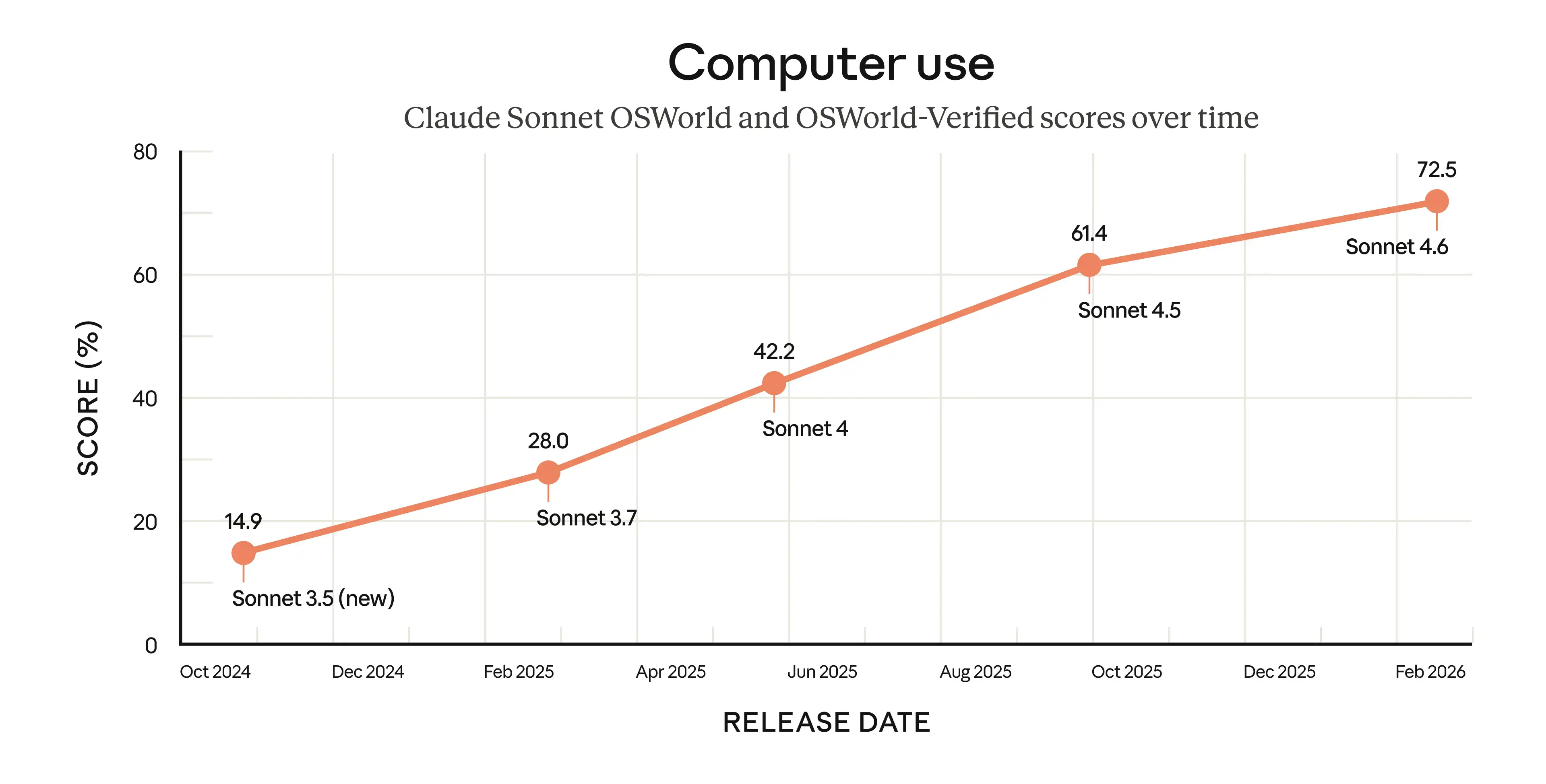
The Claude 4.6 Sonnet API can interact directly with software interfaces by simulating keyboard and mouse actions. It can navigate web pages, complete forms, and operate tools such as spreadsheets. This enables automation of systems that lack traditional endpoints, allowing developers to build workflows that interact with applications the same way users do.
Extended Context Processing for Large Inputs
Managing massive datasets is seamless thanks to the expansive Claude Sonnet 4.6 context window, which supports up to 1 million tokens in beta. Combined with context compaction feature, the Claude 4.6 Sonnet API maintains high recall accuracy while preserving token efficiency during lengthy, data-heavy sessions.
Why Choose ModelFold for Claude API Access
One OpenAI-Compatible Endpoint for Every Claude Model
Send model claude-sonnet-4-6 to POST https://ai.modelfold.online/v1/chat/completions with Authorization: Bearer YOUR_API_KEY and an OpenAI-style messages array. Input and output token pricing is shown in the pricing section above. Claude Opus 5.5, Claude Opus 5 and Claude Sonnet 5 use the same endpoint with their own model ids.
Simple Responses with Usage and Cost
Each response returns the assistant message in choices[0].message.content together with token usage and the credits charged for the call. max_tokens defaults to 1024 when left empty. You can also try thinking mode for this model in the Playground on this page.
How to Integrate Claude 4.6 Sonnet API on ModelFold
- 1
Step 1: Get Your Claude Sonnet 4.6 API Key
Start by creating an account on ModelFold and generating an API key from the developer dashboard. The key is used to authenticate requests to the Claude Sonnet 4.6 API through the ModelFold endpoint. Once generated, store the key securely and include it in the Authorization header when sending requests to the Claude API.
- 2
Step 2: Send Requests to the Claude API Endpoint
After obtaining your Claude Sonnet 4.6 API key, you can send requests to the ModelFold API endpoint. Requests are made via HTTPS and include a JSON body containing the model id, your messages and an optional max_tokens. This allows developers to interact with the Claude 4.6 Sonnet API for tasks such as text generation, reasoning, or multimodal analysis.
- ✓
Step 3: Configure Parameters and Process Responses
Once your request is sent, the Claude Sonnet 4.6 API returns the complete response in a single JSON body. The response includes generated content, token usage and the credits charged, making it easy to integrate Claude API outputs into applications, workflows, or backend services.
Frequently Asked Questions
What Is the Claude Sonnet 4.6 API?⌄
Claude Sonnet 4.6 was released on February 17, 2026. It allows applications to generate text, analyze documents, write code, and handle complex reasoning tasks programmatically. Developers can integrate the Claude 4.6 Sonnet API into tools, automation systems, or AI products using standard HTTP requests.
How Large Is the Claude Sonnet 4.6 Context Window?⌄
The standard context size is around 200K tokens, with extended support reaching up to 1 million tokens in beta through the Claude Sonnet 4.6 API. This allows the Claude API to process long documents, full repositories, or multi-file datasets within a single request.
What has Improved Compared with Claude Sonnet 4.5 API?⌄
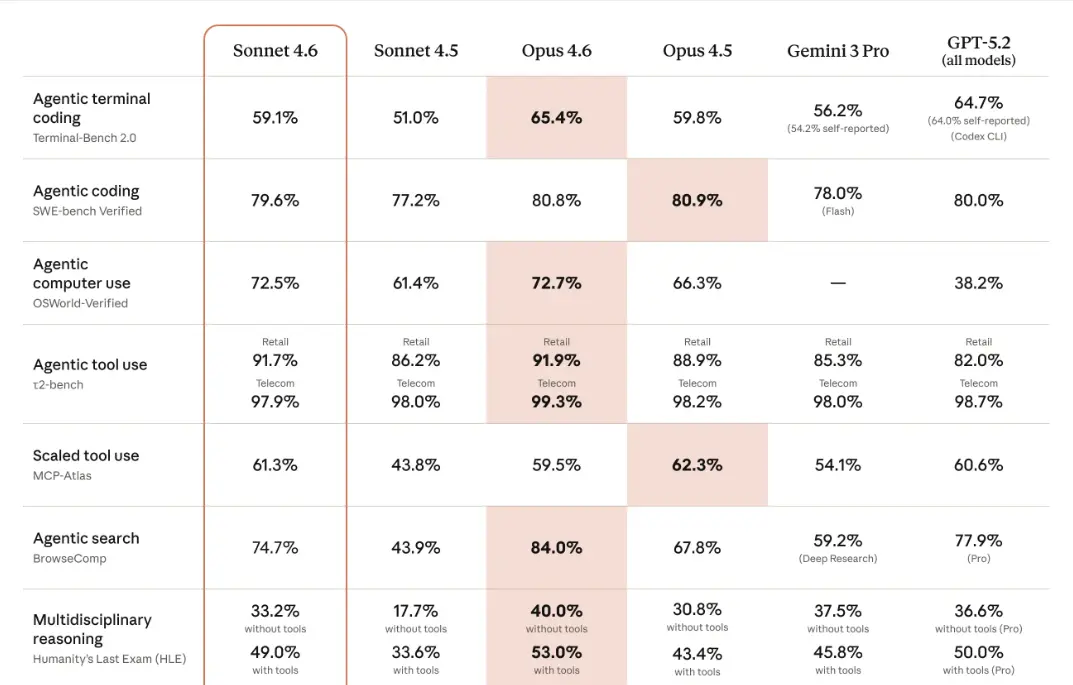
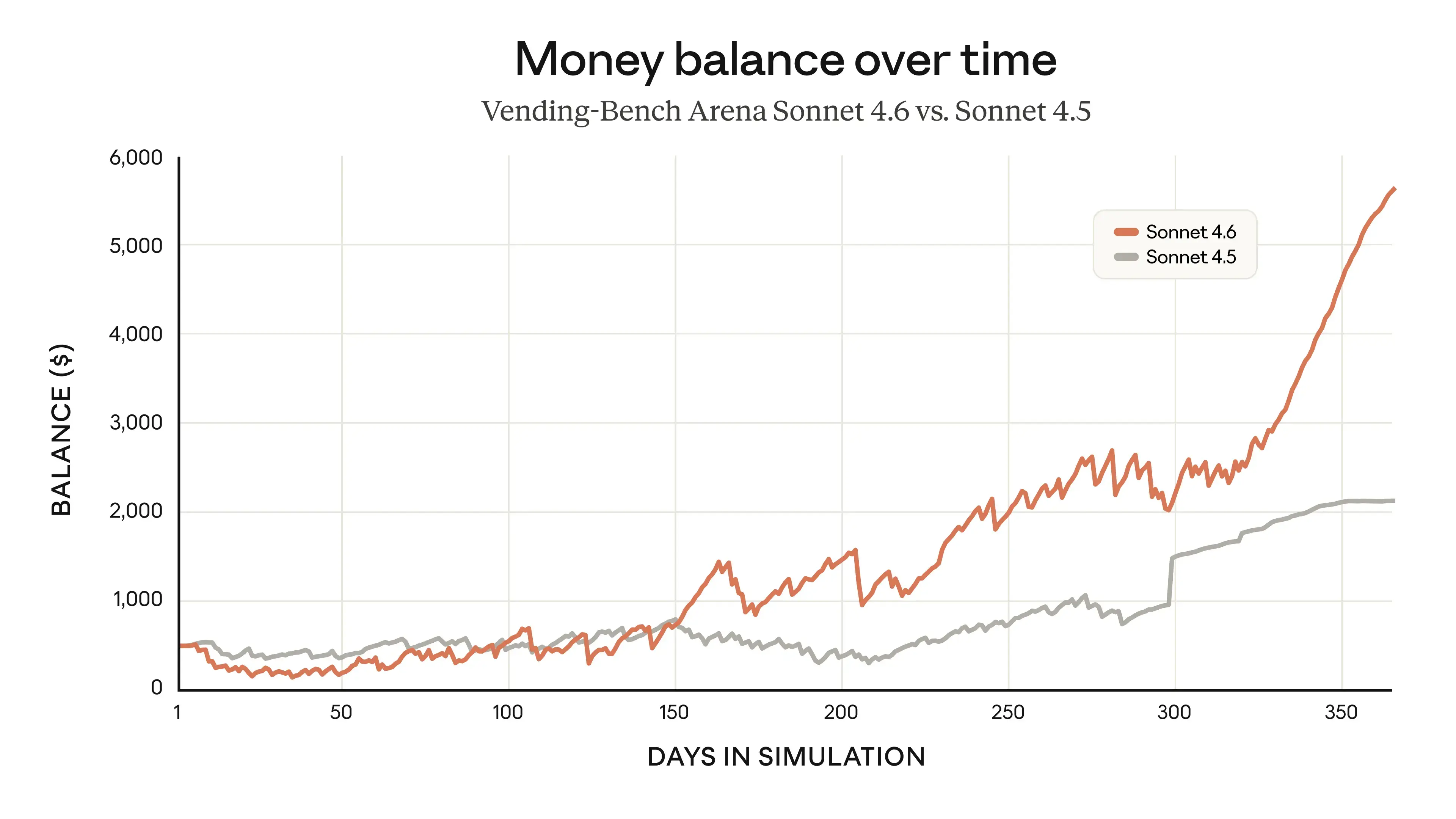
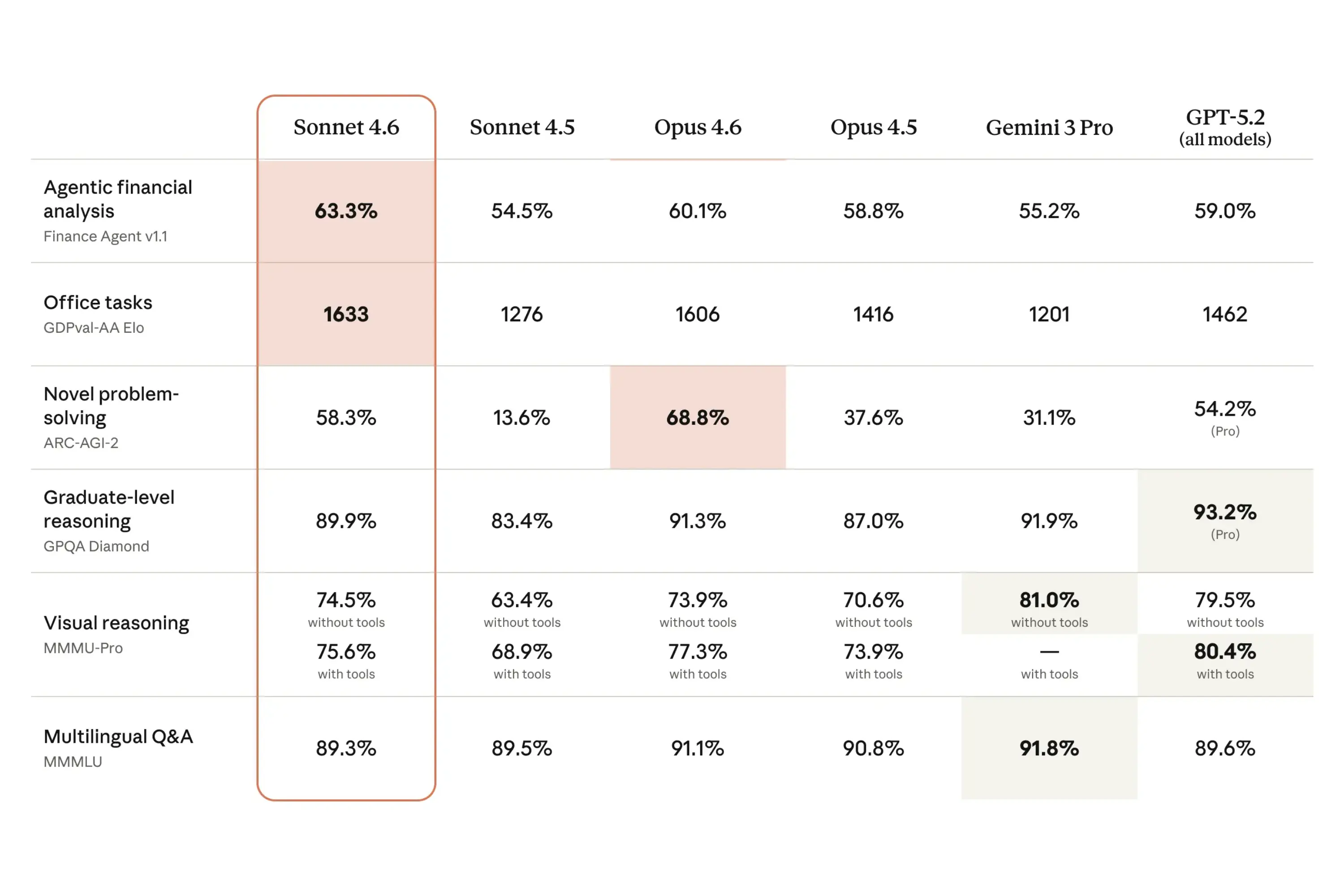
The Claude 4.6 Sonnet API reduces hallucinations, handles large codebases more consistently, and performs better in agent-style workflows.
How Strong Are the Coding and Reasoning Capabilities of the Claude 4.6 Sonnet API?⌄
The Claude 4.6 Sonnet API performs strongly in both software development and analytical reasoning tasks. It can generate and refactor production-level code, debug complex logic, and analyze structured data or technical documents.
Does the Claude Sonnet 4.6 API Support Autonomous Agents?⌄
The Claude Sonnet 4.6 API works well for building autonomous agents that plan and execute multi-step workflows. The Claude API can coordinate tool usage, evaluate intermediate results, and adjust strategies during long tasks. This makes the Claude 4.6 Sonnet API suitable for automation systems, AI assistants, and complex backend workflows.
How Do Adaptive Thinking Work in the Claude 4.6 Sonnet API?⌄
The Claude 4.6 Sonnet API supports adaptive reasoning, meaning the model can spend more computation on complex tasks and respond faster to simpler ones. On ModelFold you can switch thinking on for this model in the Playground to compare answers before integrating.
| Input | 212.5 credits 1M tokens≈ $1.06 |
| Output | 1068.75 credits 1M tokens≈ $5.34 |
Billed per token: input and output are priced separately, and thinking tokens count as output. The Playground charges exactly the same way.
Read API docs →curl https://ai.modelfold.online/v1/chat/completions \
-H "Authorization: Bearer $MODELFOLD_API_KEY" \
-H "Content-Type: application/json" \
-d '{"model":"claude-sonnet-4-6","messages":[{"role":"user","content":"Hello"}]}'